Tinsel on the Card? Four Questions to Ask Before You Put Christmas 2026 on Credit
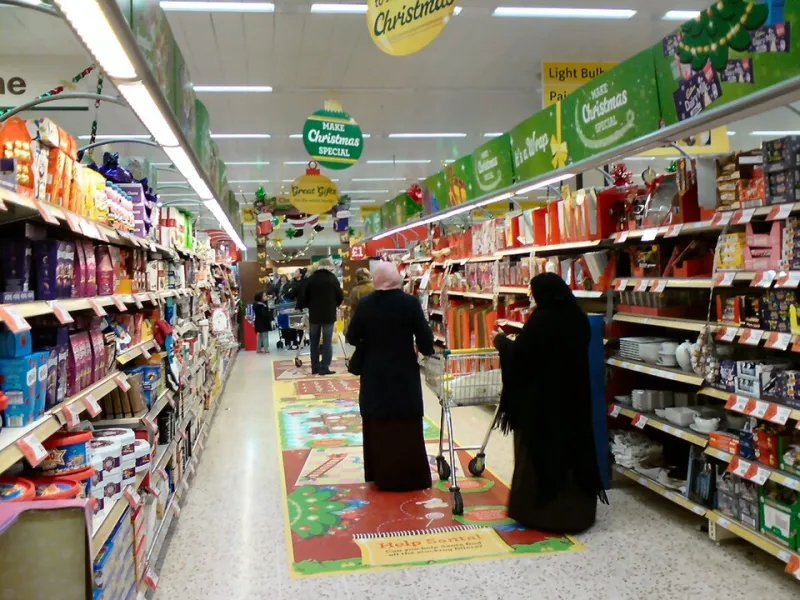
Photo: Gerald England , CC BY-SA 2.0, via Wikimedia Commons
Every December, the same thing happens. The lights go up, the adverts get emotional, and somewhere between the third Secret Santa and the Christmas Eve panic shop, the cost stops feeling real. It's not that people are reckless. It's that December money feels like it belongs to a different person — one who lives in January and can absolutely sort it out later.
That person would like a word. Christmas 2026 is landing in a year that's still expensive: food shops are steep, energy bills are steady but hardly small, and the average household is being asked to do a lot with a bit. Which makes this a good year to do a proper audit before you spend, not after.
None of the options below is free money. The question isn't which one is 'safe' — it's which one fits your situation and your repayment date. Four questions will get you most of the way there.
Question 1: What's the total going out, not the monthly?
Buy now, pay later is the great illusionist of the festive season. Four payments of £30 sounds like nothing. £120 is the actual number, and if you do that six times across November and December, you've quietly spent £720.
So do the arithmetic properly. Add up every 'just four payments' and every card balance, then write down the grand total. Then add the interest or fees. A £600 credit card balance at around 24.9% APR, repaid at £25 a month, takes roughly two and a half years to clear and costs around £200 in interest. That's the real price of Christmas, and it's worth knowing before you tap the card.
Short-term loans work the same way. The regulator caps them so you'll never repay more than double what you borrowed, but double is still double. If £500 borrowed in December means £650 back in January, that's £150 you don't have in the hardest month of the year.
Question 2: When exactly does the money come back in?
This is where festive borrowing gets people. January is not a normal month. It's long, it's cold, and for a lot of workers it's a five-week pay gap after a four-week spend.
Be specific. Not 'I'll sort it in January' but 'I get paid on 29 January, my rent and bills take £X, so I have £Y spare.' If Y is smaller than the repayment, the plan doesn't work and you need a cheaper option or a smaller Christmas.
If you're self-employed, on a zero-hours contract, or waiting on a bonus that isn't guaranteed, build in extra slack. Assume the bonus doesn't come. If it does, you've got a head start on 2027.
Question 3: What happens if a payment fails?
Nobody plans to miss a payment. Plenty of people do, because January throws up car repairs, heating bills and the annual scramble to pay for things you forgot were annual.
So check the penalty before you sign up, not after:
- Buy now, pay later: late fees vary, some providers charge nothing but restrict your account, and missed payments can now show up on your credit file with some providers.
- Credit cards: typically up to £12 for a late payment, plus interest, plus a mark on your file that sticks around for six years.
- Short-term loans: default fees are capped at £15, but interest continues at the daily rate and the default itself is recorded.
A missed payment on your credit file is a bigger deal than the fee. It can follow you into a mortgage application years later. If you think there's any chance you'll miss one, that product isn't the right fit this year.
Question 4: Does this option actually suit this purchase?
Different credit suits different spending, and getting the match wrong is where people waste money.
Buy now, pay later works best for smaller, returnable things — a jumper, a kids' toy, a pair of trainers. It's terrible for anything you might need to dispute, and hopeless if you can't make the dates.
A credit card is the sensible choice for anything over £100 bought from a UK retailer, because Section 75 gives you protection if the item never arrives or the company folds. It's also the right tool if you can clear the balance in full when the statement lands — then it's just a payment method, not a loan.
A short-term loan or overdraft should really only be for a genuine timing gap: the money exists, it just arrives after the bill. Using one to fund presents you haven't got the income for is how a £400 Christmas becomes a £700 one.
Savings beat all of the above, obviously. If you have an emergency fund sitting there, this is what it's for. Christmas is not an emergency, but it's a known, predictable cost — and predictable costs are the ones you're allowed to plan for.
The question underneath all four: what does this do to my file?
Every application for credit usually leaves a hard search, visible to other lenders for 12 months. Two or three in a fortnight — a card here, a BNPL sign-up there, a loan to cover the card — and you look like someone in trouble, even if you're not.
Decide on one main approach before you start. Use it. Don't stack.
A ten-minute audit you can do tonight
Open your banking app and look at last December's spending. Not this year's — last year's. That number is your honest baseline. Most people spend roughly the same, plus 15% for inflation and forgetting things.
Then take £100 off it. Seriously. Nobody remembers the extra gifts. The tin of biscuits and the Secret Santa are doing more work than the big present anyway.
Finally, set a repayment date now. Put it in your phone for 25 January 2027 with the amount you owe written in. That single reminder is worth more than any budgeting app.
If you've already spent it
It's 7 November — you probably haven't. But if the card's already out, don't panic and don't take out a loan to pay off another loan. List every debt, its rate and its minimum payment, then call StepChange or Citizens Advice. Both are free and neither will lecture you.
A good Christmas is one you're still relaxed about in February. That's the only test that matters.